Tech Tonic Post
How Wearable Tech Is Changing the Way We Watch and Play Sport
From GPS running watches to biometric jersey sensors, wearables are reshaping how athletes train and how fans experience the game.
Training by the numbers
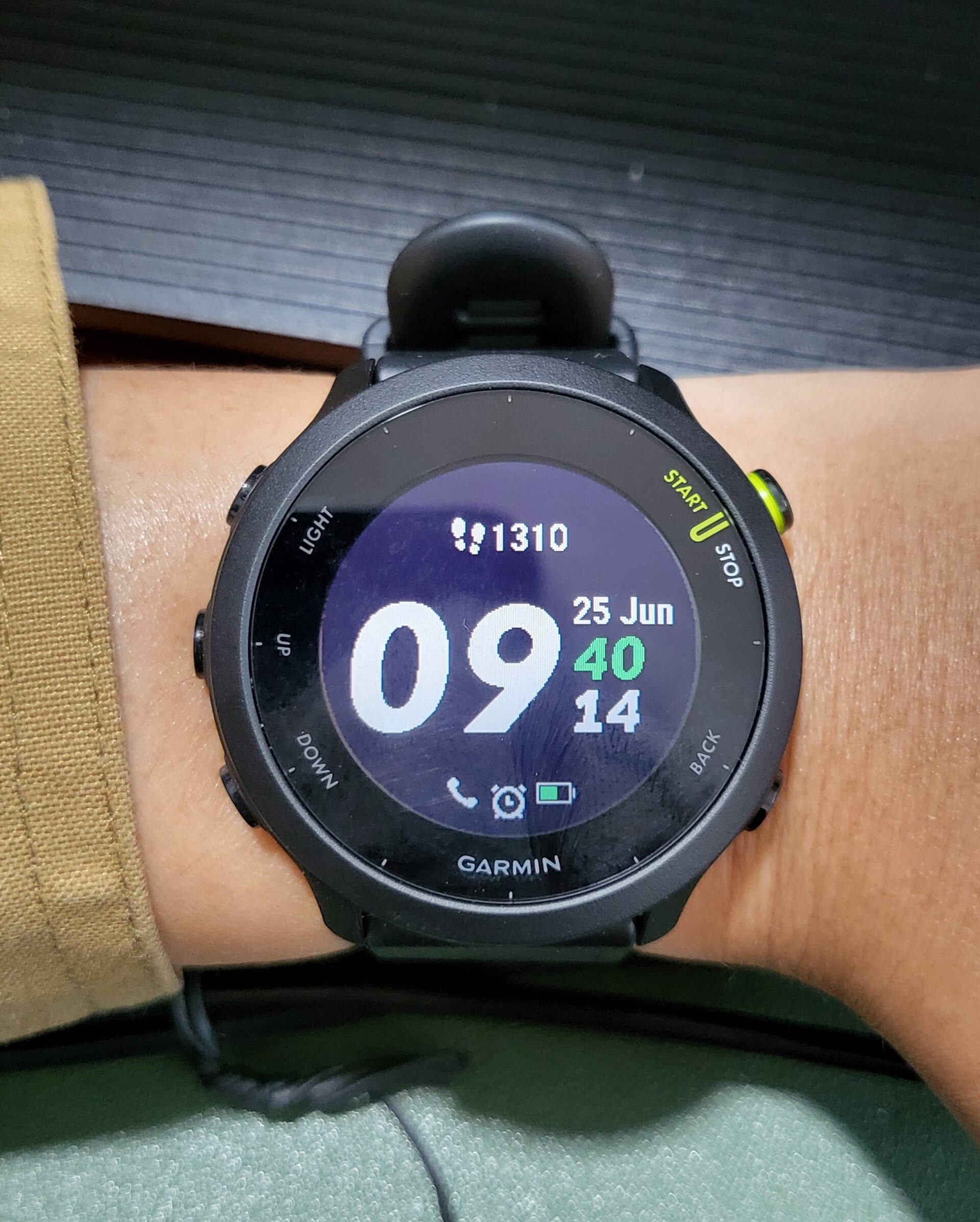
A decade ago, tracking a run meant a stopwatch and a rough sense of distance. Now a $200 watch on your wrist logs pace, heart rate, elevation, and recovery time down to the second, then tells you whether today's session helped or hurt. Athletes at every level use the same kind of data professional teams do — not because the hardware trickled down, but because the sensors got cheap enough to put in a running watch instead of a lab.
Coaches use this constantly now. A GPS watch doesn't just tell a runner how far they went; it flags when their stride length drops off late in a session, which is often an early sign of fatigue-related injury risk. That's the kind of insight that used to require a sports science department.
From the bench to the broadcast
Wearables haven't stayed on the training ground. Biometric vests in top-flight football and rugby feed real-time heart rate and sprint speed straight into the broadcast, so a viewer at home can see exactly how hard a player is working during a late-game push. It turns "he looks tired" into an actual number on screen.
For fans, that's a different way of watching. The story isn't just the score anymore — it's whether a player is running on empty, and the data says so before the legs do.
What it means for smaller teams and everyday athletes
None of this is exclusive to elite sport anymore. Local clubs use the same consumer-grade trackers that recreational runners wear, just aggregated across a squad. A coach can see which players are logging real recovery time between matches and which are quietly overtraining — information that used to depend entirely on a player's word.
The gap between "how a pro trains" and "how anyone can train" has mostly closed. What's left is deciding what to do with the data, which is a much more interesting problem than getting it in the first place.